
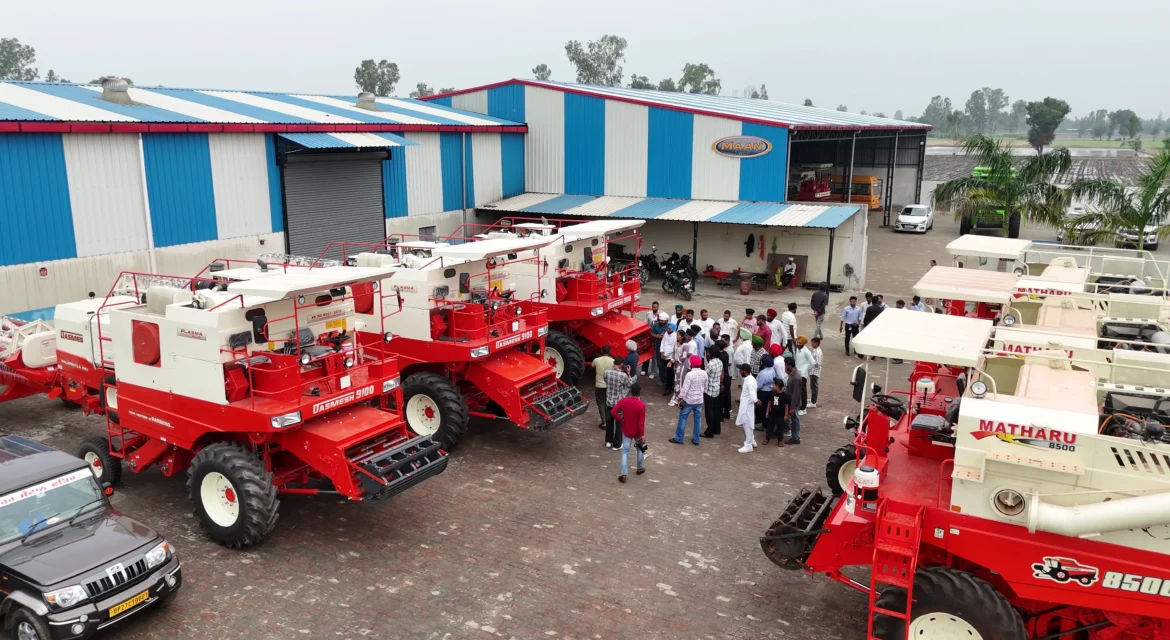
Choosing a proper combine harvester is one of the most important decisions a farmer can make. The ideal machine should fit the size of your farm, the type of crop you are growing, harvesting capacity, and budget, while giving maximum efficiency and minimum grain loss. This article will help you understand the important things to consider when purchasing a combine harvester and how investing in the right one can help you become more productive and profitable.
Why Choosing The Right Combine Harvester Matters
One of the most time-sensitive operations in agriculture is harvest. Delays cause crop losses, lower-quality grain, and lower profits.
A modern combine harvester helps farmers:
- Harvest crops faster
- Reduce labour dependency
- Minimise grain losses
- Improve harvesting quality
- Lower operational costs
- Increase overall farm efficiency
Using the wrong machine can mean more maintenance costs and less productivity.
What Is a Combine Harvester?
A combine harvester is a sophisticated farm machine that combines three farm jobs in one pass.
- Reaping
- Threshing
- Cleaning
It is more efficient for a farmer to harvest with one machine than with several machines or with hand labour.
Crops Harvested by a Combine Harvester
Harvesting is normally done with modern combines:
- Wheat
- Paddy (Rice)
- Barley
- Soybean
- Mustard
- Pulses
- Sunflower
- Millet
There are different models that can be made for different crop conditions, and so it is important to select a machine that fits your farming needs.
Factors to Consider Before Buying a Combine Harvester
Farm size
The size of the farm is one of the most important factors.
Tiny farm
A compact or medium-capacity harvester is usually more economical.
Medium-size Farms
The ideal machine balances harvesting capacity with fuel efficiency.
Large Farms
Combine harvesters with high capacity are efficient and can reduce the time required for harvesting.
2. Type of Crop
Different crops require different harvesting configurations.
For example:
- Wheat harvesting
- Paddy harvesting
- Barley harvesting
- Multi-crop harvesting
Choose a machine that supports the crops you cultivate throughout the year.
3. Harvesting Capacity
A combine harvester should match your expected daily harvesting requirement.
Higher-capacity machines are suitable for:
- Large farms
- Contract harvesting
- Commercial farming operations
4. Engine Performance
A powerful engine ensures reliable operation under varying field conditions.
Look for:
- Consistent performance
- Fuel efficiency
- Smooth operation
- Reliable cooling system
5. Fuel Efficiency
Fuel is one of the major operating expenses in agriculture.
A fuel-efficient combine harvester can significantly reduce long-term operating costs while maintaining high productivity.
6. Grain Loss Management
An efficient harvesting system minimises grain damage and field losses.
Modern harvesting technology helps improve grain recovery while maintaining crop quality.
7. Ease of Maintenance
Regular servicing is essential for long machine life.
Before purchasing, check:
- Spare parts availability
- Service network
- Maintenance requirements
- Technical support
Machines with reliable after-sales support reduce downtime during the harvesting season.
8. Operator Comfort
Harvesting often involves long working hours.
Comfortable operator features improve efficiency, including:
- Ergonomic controls
- Better visibility
- Comfortable seating
- Easy machine operation
Benefits of purchasing a new combine harvester
In the long run, a modern machine offers you many advantages.
Fast Harvest
- Large fields can be reaped in less time.
Lower Labour Costs
- Less dependency on seasonal labour.
Grain quality enhancement
- Improved threshing/cleaning leads to better grain quality.
Less Crop Damage
- Modern harvesting methods create little waste.
More Productive Farming
More acres can be cut in a day.
Compare Before You Buy
| Factor | What to Look For |
| Farm Size | Machine capacity suitable for your land |
| Crop Type | Multi-crop compatibility |
| Fuel Efficiency | Lower operating cost |
| Harvesting Capacity | Faster field performance |
| Maintenance | Easy service and genuine spare parts |
| Dealer Support | Reliable after-sales assistance |
| Budget | Long-term value rather than the lowest price |
Mistakes Not To Make for Farmers
There are many farmers who buy machinery without considering their actual farming needs.
Below are common mistakes to avoid:
- Buying based solely on price * Disregarding after-sales service.
- Over the machine capacity choice
- Not checking spare parts availability.
- Fuel efficiency? Never mind. * No demonstrations in the field
I always tell people to shop around and take their time; it pays off with a better investment.
Why Buy From Maan Agro
The choice of a machine is as important as the choice of a supplier.
At Maan Agro, farmers receive: *High-quality farm machinery.
- Product Expert Advice
- Genuine spare parts
- After-sales service
- Customer service you can trust
If you are looking to buy your first combine harvester or upgrade your existing equipment, Maan Agro helps you find the right solution for your farming needs.
How to Maintain Your Machine for a Long Service Life
Good maintenance makes things work better and last longer.
Best practices:
Check the machine before each season. Periodically lubricate moving parts.
Clean grain tanks and filters after each use. Replace worn belts and blades promptly. * Follow the service schedule recommended by the manufacturer. * Cover the machine when not in use. Routine maintenance can prevent harvest breakdowns.
Conclusion
When choosing the best combine harvester, consider your crops, the size of your farm, your harvesting needs, and the long-term operating costs. A properly selected machine enhances the speed of harvesting, decreases labour costs, reduces grain losses, and increases profitability.
Working with a reputable supplier like Maan Agro is key to better farming results, season after season, with quality agricultural machinery, reliable service, and technical support.
Frequently Asked Questions (FAQs)
1. What is the key role of a combine harvester?
Ans: A combine harvester is a machine that harvests grain.
2. Which crop can be harvested using a combine harvester?
Ans: Wheat, paddy, barley, soybean, mustard, pulses, sunflower, and millets are widely used.
3. How do I choose the right combine harvester?
Ans: Take into account the size of your farm, the crops you intend to grow, your ability to harvest, fuel efficiency, maintenance requirements, and the support provided by the dealer.
4. Why is fuel economy important?
Ans: Fuel-efficient equipment lowers the operating cost, thus improving the profitability in the long run.
5. How can I reduce grain losses at harvest?
Ans: Select a combine that is in good condition with a good threshing and cleaning system and operate it at the recommended settings.